2. Shared elements between Activities
The idea behind this is having two different views in two different layouts and link them somehow with an animation.
Transition framework will then do whatever animations it consider necessary to show the user a transition from one view to another.
Keep this always in mind: the view is not really moving from one layout to another. They are two independent views.
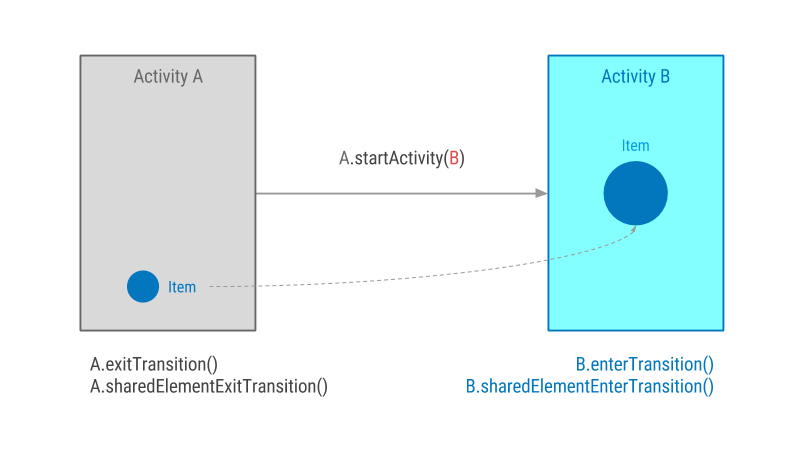
a) Enable Window Content Transition
This is something you need to set up once on your app
styles.xml.values/styles.xml
<style name="MaterialAnimations" parent="@style/Theme.AppCompat.Light.NoActionBar">
    ...
    <item name="android:windowContentTransitions">true</item
    ...
</style>
Here you can also specify default enter, exit and shared element transitions for the whole app if you want
<style name="MaterialAnimations" parent="@style/Theme.AppCompat.Light.NoActionBar">
    ...
    <!-- specify enter and exit transitions -->
    <item name="android:windowEnterTransition">@transition/explode</item>
    <item name="android:windowExitTransition">@transition/explode</item>

    <!-- specify shared element transitions -->
    <item name="android:windowSharedElementEnterTransition">@transition/changebounds</item>
    <item name="android:windowSharedElementExitTransition">@transition/changebounds</item>
    ...
</style>
b) Define a common transition name
To make the trick you need to give both, origin and target views, the same
android:transitionName. They may have different ids or properties, but android:transitionName must be the same.layout/activity_a.xml
<ImageView
        android:id="@+id/small_blue_icon"
        style="@style/MaterialAnimations.Icon.Small"
        android:src="@drawable/circle"
        android:transitionName="@string/blue_name" />
layout/activity_b.xml
<ImageView
        android:id="@+id/big_blue_icon"
        style="@style/MaterialAnimations.Icon.Big"
        android:src="@drawable/circle"
        android:transitionName="@string/blue_name" />
c) Start an activity with a shared element
Use the
ActivityOptions.makeSceneTransitionAnimation() method to define shared element origin view and transition name.MainActivity.java
blueIconImageView.setOnClickListener(new View.OnClickListener() {
    @Override
    public void onClick(View v) {
        Intent i = new Intent(MainActivity.this, SharedElementActivity.class);

        View sharedView = blueIconImageView;
        String transitionName = getString(R.string.blue_name);

        ActivityOptions transitionActivityOptions = ActivityOptions.makeSceneTransitionAnimation(MainActivity.this, sharedView, transitionName);
        startActivity(i, transitionActivityOptions.toBundle());
    }
});
Just that code will produce this beautiful transition animation:
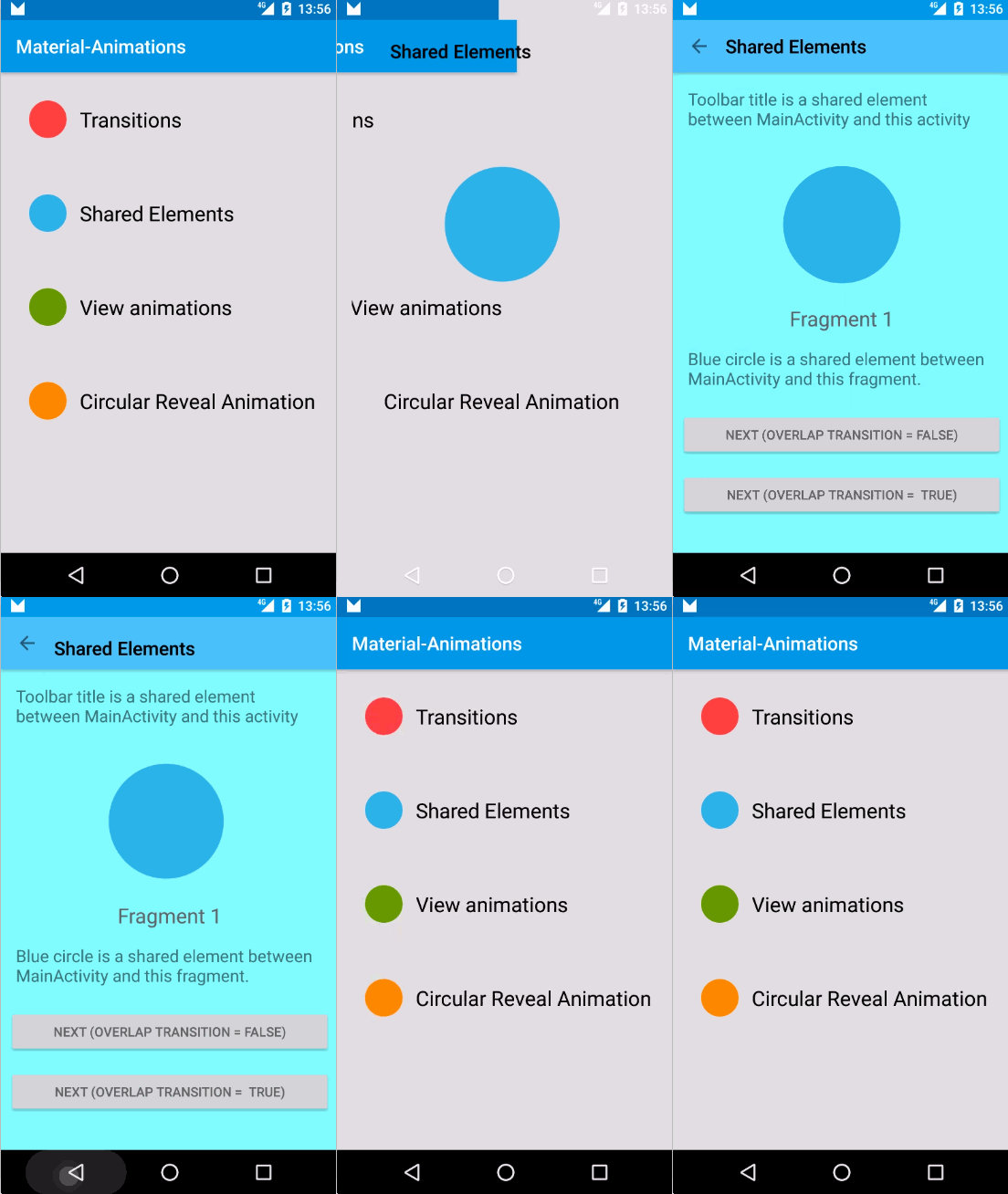
As you can see, Transition framework is creating and executing an animation to create the illusion that views are moving and changing shape from one activity to the other
Shared elements between fragments
Shared element transition works with Fragments in a very similar way as it does with activities.
Steps a) and b) are exactly the same. Only c) changes
a) Enable Window Content Transition
values/styles.xml
<style name="MaterialAnimations" parent="@style/Theme.AppCompat.Light.NoActionBar">
    ...
    <item name="android:windowContentTransitions">true</item>
    ...
</style>
b) Define a common transition name
layout/fragment_a.xml
<ImageView
        android:id="@+id/small_blue_icon"
        style="@style/MaterialAnimations.Icon.Small"
        android:src="@drawable/circle"
        android:transitionName="@string/blue_name" />
layout/fragment_b.xml
<ImageView
        android:id="@+id/big_blue_icon"
        style="@style/MaterialAnimations.Icon.Big"
        android:src="@drawable/circle"
        android:transitionName="@string/blue_name" />
c) Start a fragment with a shared element
To do this you need to include shared element transition information as part of the
FragmentTransaction process.FragmentB fragmentB = FragmentB.newInstance(sample);
// Defines enter transition for all fragment views
Slide slideTransition = new Slide(Gravity.RIGHT);
slideTransition.setDuration(1000);
sharedElementFragment2.setEnterTransition(slideTransition);
// Defines enter transition only for shared element
ChangeBounds changeBoundsTransition = TransitionInflater.from(this).inflateTransition(R.transition.change_bounds);
fragmentB.setSharedElementEnterTransition(changeBoundsTransition);
getFragmentManager().beginTransaction()
.replace(R.id.content, fragmentB)
.addSharedElement(blueView, getString(R.string.blue_name))
.commit();
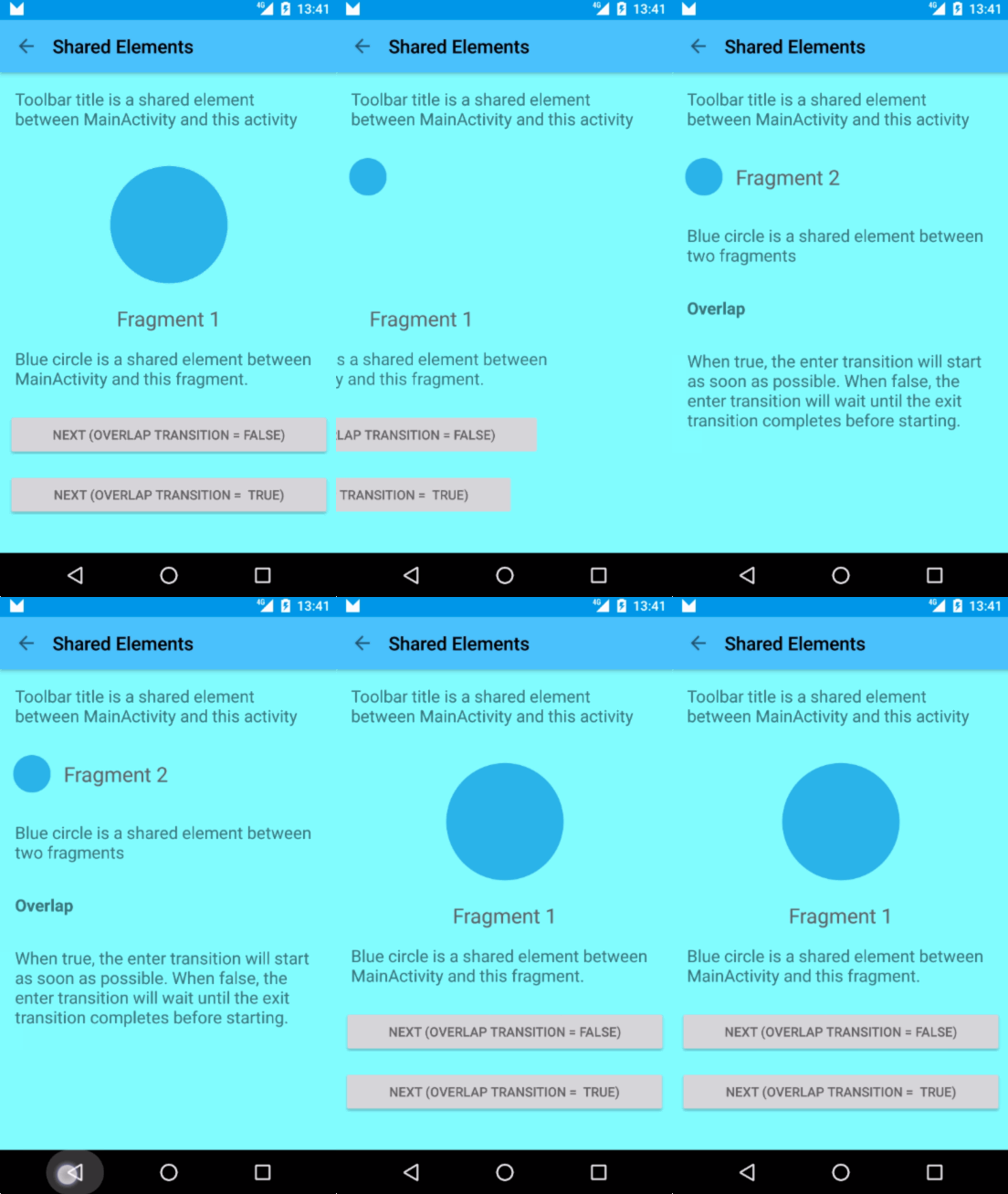
And this is the final result:
Allow Transition Overlap
You can define if enter and exit transitions can overlap each other.
From Android documentation:
When true, the enter transition will start as soon as possible.When false, the enter transition will wait until the exit transition completes before starting.
This works for both Fragments and Activities shared element transitions.
FragmentB fragmentB = FragmentB.newInstance(sample);

// Defines enter transition for all fragment views
Slide slideTransition = new Slide(Gravity.RIGHT);
slideTransition.setDuration(1000);
sharedElementFragment2.setEnterTransition(slideTransition);

// Defines enter transition only for shared element
ChangeBounds changeBoundsTransition = TransitionInflater.from(this).inflateTransition(R.transition.change_bounds);
fragmentB.setSharedElementEnterTransition(changeBoundsTransition);

// Prevent transitions for overlapping
fragmentB.setAllowEnterTransitionOverlap(overlap);
fragmentB.setAllowReturnTransitionOverlap(overlap);

getFragmentManager().beginTransaction()
        .replace(R.id.content, fragmentB)
        .addSharedElement(blueView, getString(R.string.blue_name))
        .commit();
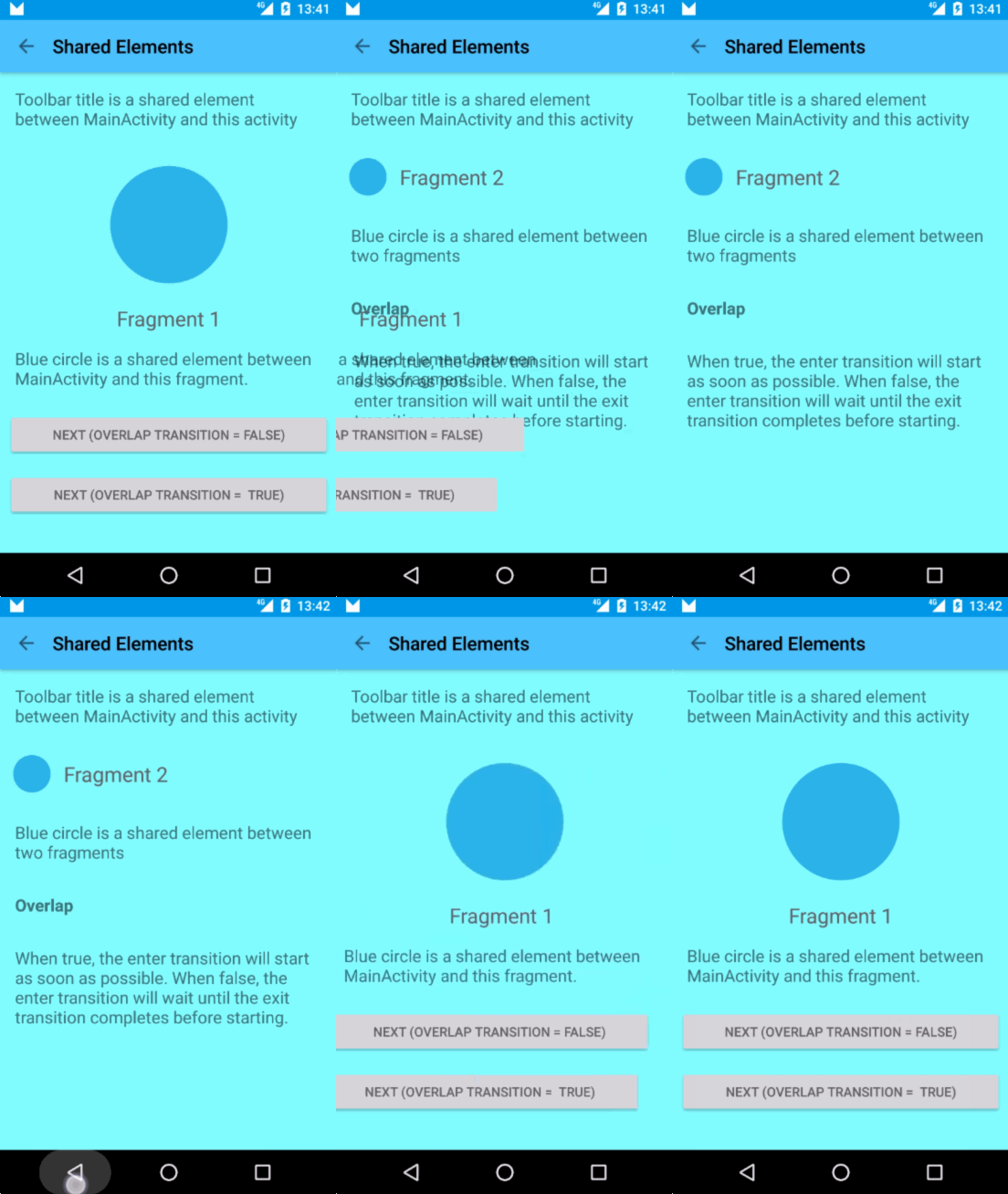
It is very easy to spot the difference in this example:
| Overlap True | Overlap False |
|---|---|
| Fragment_2 appears on top of Fragment_1 | Fragment_2 waits until Fragment_1 is gone |
 | |
Comments
Post a Comment